
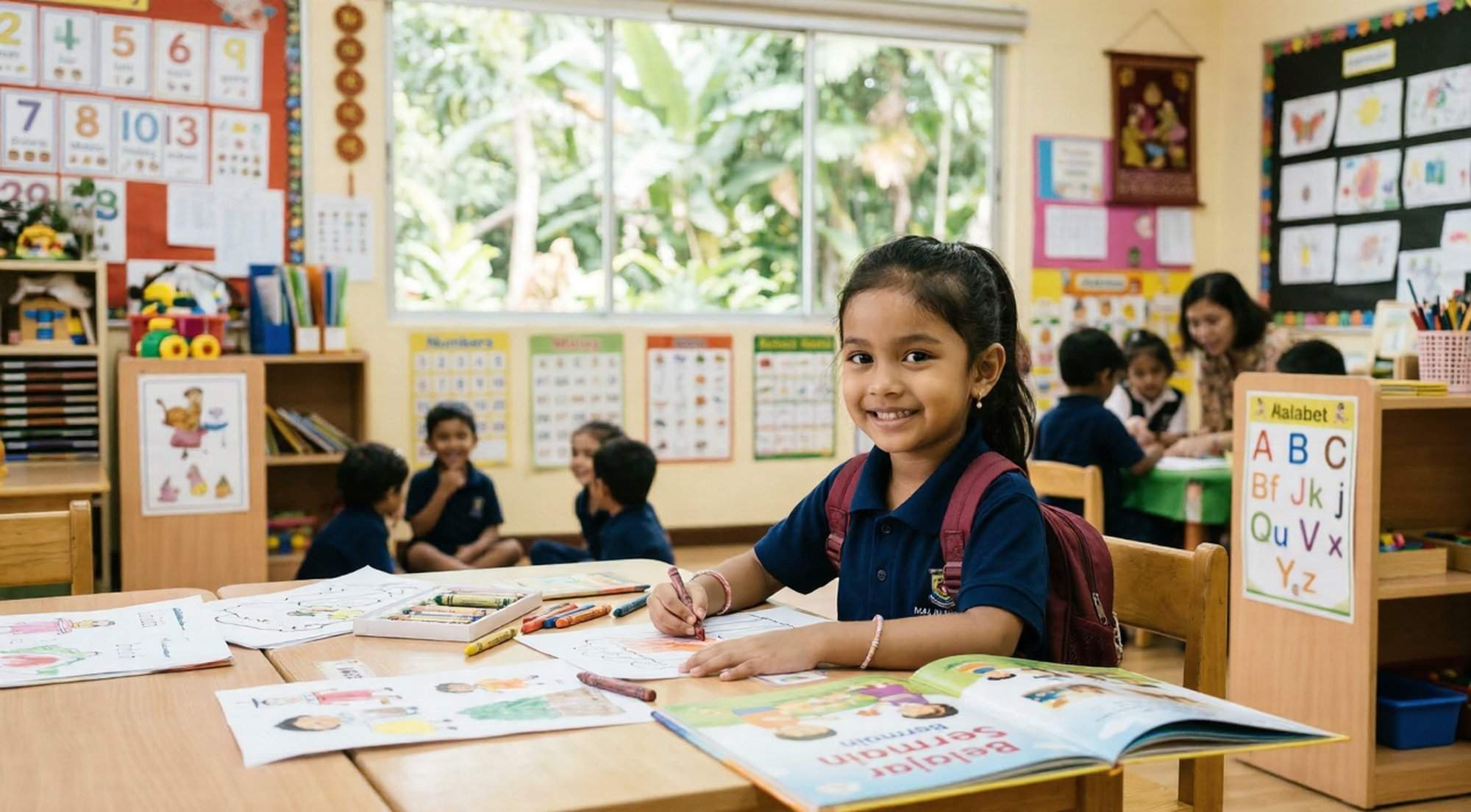
Many parents in Malaysia start wondering about kindergarten when their child turns three or four years old. One of the first questions that comes to mind is what age kindergarten Malaysia programs usually accept children, and whether their child is truly ready to begin. The honest answer is that there is no single perfect age that works for every child. Every child grows and develops at their own pace, and the right time to start kindergarten depends on more than just a birthday. At COZO Group, we work closely with families every day to help them understand their child’s individual readiness and find the right program at the right time.
Malaysian kindergartens typically accept children from age four, with most programmes running from four to six years old before children enter Year 1. However, age alone does not determine readiness. For families in the southern KL area, a quality kindergarten in Bukit Jalil offers the flexibility and Montessori expertise to support children who start at four as confidently as those who join at five.
This guide gives Malaysian parents a clear and practical framework for answering the what age kindergarten Malaysia question so they can make a confident and well-informed decision for their own child.
How the Malaysian Early Education System Is Structured
Before exploring the right age to start kindergarten, it helps to understand how the Malaysian early education system structures the years before primary school.
From Childcare to Kindergarten
Malaysia operates a structured early childhood education pathway that moves children from childcare and nursery through kindergarten and into Year 1 of primary school. Childcare and nursery programmes accept children from as young as two months old and provide care, stimulation, and early development support for infants and toddlers. These programmes focus primarily on nurturing and socialisation rather than formal academic preparation.
The Kindergarten Years
Kindergarten in Malaysia generally covers children aged four to six and delivers a more structured educational curriculum aligned with school readiness goals. The Ministry of Education recommends that children attend at least one year of kindergarten before entering primary school, and most children attend for two years starting at age four or five. Year 1 of primary school begins at age seven in Malaysia, meaning children typically complete one to two years of kindergarten before making that transition.
Why Timing Matters
Understanding this structure helps parents see where kindergarten sits within the broader educational journey and why the timing of entry matters for their child’s overall preparation. Starting too early in a programme that does not suit a child’s readiness can create unnecessary stress. Starting later than needed, on the other hand, can leave gaps in the developmental foundations that primary school demands from day one.
What Age Should Your Child Start Kindergarten in Malaysia?
The most straightforward answer to the what age kindergarten Malaysia question is that most children start between four and five years old. Both ages carry distinct advantages depending on the child and the programme.
Starting at Age Four
Starting at age four gives children a longer runway of quality early education before primary school. Two full years of kindergarten provide more time to develop the literacy foundations, numeracy concepts, social skills, and self-regulation capacities that Year 1 demands. Children who start at four and attend a quality programme for two years consistently demonstrate stronger school readiness at primary school entry than peers who join at five for a single year, particularly in the areas of language development and executive function.
Starting at Age Five
Starting at age five suits some children better, particularly those who are less ready for the social and structured demands of a kindergarten environment at four. A child who enters kindergarten before they feel emotionally ready can develop anxiety around school that takes significant time and effort to overcome. In contrast, a child who starts at five feeling genuinely ready often thrives immediately and achieves strong developmental outcomes within a single well-chosen year.
Programme Quality Matters as Much as Age
The quality of the programme matters as much as the starting age when deciding what age your child should start kindergarten in Malaysia. A child who starts at four in a poor-quality programme may arrive at primary school less prepared than a child who starts at five in an excellent one. Always prioritise programme quality alongside age when making this decision, and visit every centre you consider before committing to any enrolment.
Developmental Readiness: A More Accurate Guide Than Age Alone
Age is a helpful guide but it does not tell the whole story. Two children who are both four years old can be at very different stages of development, and that difference matters a lot when it comes to starting kindergarten. At COZO Group, we look at the whole child rather than just their age when helping families decide if their child is ready. The areas we pay the most attention to are how the child interacts with others, how they communicate, and how well they manage basic daily tasks on their own.
Social and Emotional Readiness
A child who is socially ready for kindergarten will usually show an interest in playing with other children and can spend a short time away from their parent without becoming very upset. This does not mean your child needs to be perfectly confident on day one. It simply means they are beginning to feel comfortable in a group setting. Emotionally, a ready child can follow simple instructions, handle small frustrations without a big reaction, and start to use words to express how they feel. At COZO Group, our teachers are trained to support children who are still building these skills so that every child feels safe and settled from their very first day.
Language and Communication Readiness
Children who are ready for kindergarten can usually hold a simple conversation, make their needs known, and understand basic instructions from an adult. Strong communication skills at this stage make a big difference to how quickly a child settles into the classroom and how well they progress in the early years of learning. If you feel your child’s language development needs a little extra support before starting kindergarten, COZO Group offers programs that are specifically designed to build these foundational communication skills in a fun and nurturing environment.
Physical and Self-Care Readiness
Physical readiness includes basic self-care skills such as toilet independence, managing a lunchbox, putting on shoes, and carrying a bag without assistance. Children who manage these tasks independently settle into kindergarten routines more quickly and confidently than those who rely heavily on adult help for basic daily needs. Furthermore, physical readiness also includes the gross motor development needed for outdoor play and the fine motor control that early writing activities require.
Other Factors That Influence the Right Starting Age
Several important factors beyond developmental readiness influence the right timing of kindergarten entry for a specific family and child.
Birth Month and Relative Age
Birth month plays a more significant role in the kindergarten starting age decision than many parents realise. Children born in the later months of the year, particularly September through December, rank among the youngest in their cohort when they start school. Research consistently shows that younger children within a school year cohort face a relative disadvantage in the early primary years compared to older classmates born earlier in the same year. For children with late-year birthdays, therefore, waiting an additional year before starting kindergarten can meaningfully level this developmental playing field.
Family Circumstances and Working Hours
Family circumstances shape the timing decision in practical ways that deserve honest acknowledgement. Working parents who need full-day care often find that a quality combined childcare and kindergarten programme from age four represents both the most educationally sound and most logistically practical solution available. Families with a stay-at-home parent, on the other hand, may have more flexibility to wait until five without facing significant logistical pressure, and can use that extra year for rich home-based learning and social experiences.
The Nature of the Programme
The nature of the programme itself matters significantly when deciding what age to start. A kindergarten Bukit Jalil Malaysia programme that follows authentic Montessori principles suits younger four-year-olds particularly well because it prioritises child-led exploration, low academic pressure, and gradual structured engagement. Other programmes with higher academic pressure and more rigid structure suit older children who have already developed stronger self-regulation. Match the programme’s approach to your child’s temperament and current readiness rather than choosing purely on age or convenience.
What the Kindergarten Years Should Build Toward Primary School
Primary school in Malaysia begins at age seven, and the kindergarten years between four and six exist specifically to prepare children for this transition. Understanding what primary schools actually value in incoming Year 1 students helps parents ensure their child’s kindergarten experience builds the right foundations during this critical window.
Self-Regulation and Executive Function
Self-regulation tops the list of what primary school teachers consistently identify as the most critical readiness skill in incoming students. Children who sit within a group, sustain attention across a lesson, manage frustration without disrupting others, and transition calmly between activities give their Year 1 teachers a foundation to build academic learning on from day one. Quality kindergartens build these capacities deliberately and daily through consistent, purposeful routines rather than leaving them to develop by chance.
Language, Literacy, and Numeracy
Academic foundations give children confidence rather than anxiety when they enter Year 1. Children whose early literacy and numeracy developed through meaningful, hands-on kindergarten experiences approach primary school with genuine curiosity rather than fear, because they associate learning with discovery rather than performance. Furthermore, the two years between age four and six represent the most neurologically receptive period for language acquisition, making this window particularly valuable for children in multilingual Malaysian families who need strong foundations across English, Bahasa Malaysia, and Mandarin simultaneously.
Love of Learning
A love of learning is the most durable gift a quality kindergarten gives a child, and it only takes root in environments where curiosity receives celebration every single day. Children who arrive at primary school genuinely excited about discovery give their teachers a foundation that academic drilling alone can never produce. Above all, the kindergarten years should leave children feeling capable, confident, and deeply motivated to keep growing, regardless of what age they started.
How COZO Cheras Supports Children at Every Starting Age
For families in the southern KL corridor, COZO’s Bukit Jalil kindergarten provides a quality Montessori programme that welcomes children from age four and builds the full range of developmental foundations they need for a confident primary school transition.
Why Our Programme Suits Four-Year-Olds
Our Bukit Jalil kindergarten suits four-year-olds particularly well because our Montessori approach places no academic pressure on young children. Instead, children explore a carefully prepared environment at their own pace, building concentration, independence, and a deep love of learning through self-directed activity guided by experienced and formally qualified teachers. Children who join at four and progress through our two-year programme arrive at Year 1 with strong literacy and numeracy foundations, genuine social competence, and the self-regulation skills that primary school teachers consistently describe as most valuable.
Honest Readiness Conversations
For families who are unsure whether their child is ready to start at four or would benefit from waiting until five, our team welcomes an honest and detailed conversation. We assess each child individually and give families a clear and practical perspective on their child’s readiness rather than simply encouraging early enrolment for commercial reasons. Getting this decision right for each child matters far more to us than filling classroom places ahead of schedule.
Conclusion
What age kindergarten Malaysia – the question does not have a single universal answer, but it does have a right answer for every individual child. Most children benefit from starting between four and five, with programme quality, developmental readiness, and family circumstances all shaping the optimal timing for each family.
At COZO, our Bukit Jalil kindergarten welcomes children from age four into an authentic Montessori environment that grows with them at their own pace. Start your child’s journey today and take the first confident step toward the right start for your child.
